Executive Dependency Overview
Establishing the baseline for operations requires a rigorous understanding of which core components must exist before any workload can boot.
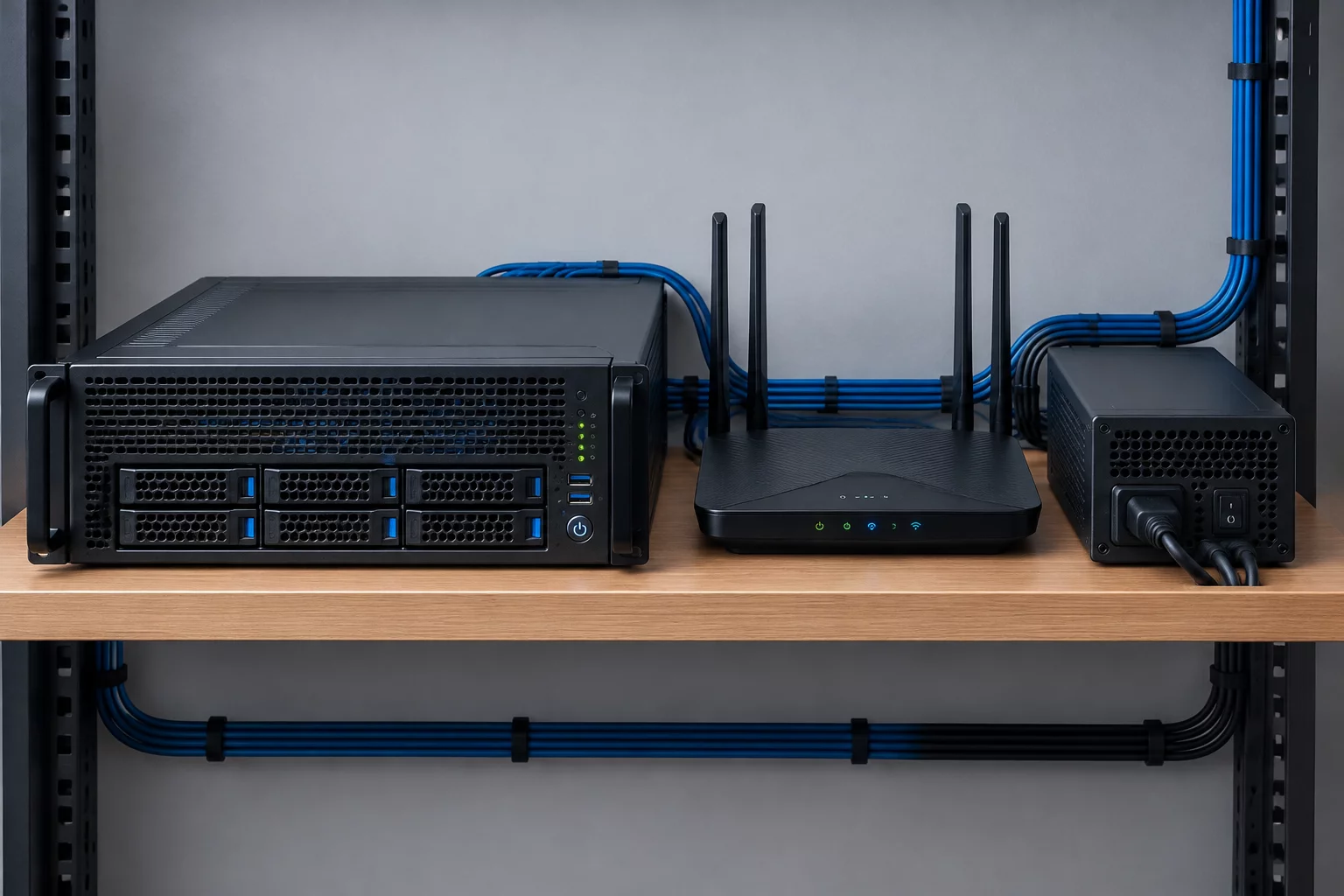
In widespread disaster recovery scenarios, attempting to bring up the full stack at once creates compounding deadlocks. Minimum viable infrastructure defines the leanest subset of networking, domain resolution, centralized storage access, and key management services needed to safely power on dependent tiers. By establishing this foundational footprint first, engineers ensure that every subsequently restored virtual machine or physical host connects immediately to authenticating nodes and reliable block volumes.
Dependency Ordering Constraint
Starting application servers or databases before network fabric routing, domain controllers, and persistent storage arrays reach a verified healthy state causes silent mount failures, split-brain clustering, and service launch timeouts.
Topological Resumption Sequence
A deterministic startup order isolates fundamental platform layers from application logic. Executing baseline recovery in strict topological phases prevents intermittent handshake timeouts and eliminates cascading crash-loops across distributed enterprise systems.
Core Network Fabric & DNS Resolution
Bring up internal routing, virtual switches, firewall rules, and internal name resolution endpoints so nodes can discover network targets.
Identity & Key Management Services
Restore primary domain controllers and cryptographic token providers to handle service account authentication and volume decryption.
Shared Storage & Persistent Block Fabric
Mount storage pools, SAN targets, and NFS shares, verifying that read-write access and cluster witness disks are fully synchronized.
Once the minimum viable infrastructure passes health checks, secondary orchestration can trigger application workloads in parallel. This methodology drastically shortens recovery point objectives while preventing the confusion of diagnosing application-layer errors caused by missing core primitives.
Execution Checkpoints
VERIFIED CRITERIA- Prerequisite State Subnet gateways responsive & NTP synchronized
- Validation Timeout 180 Seconds per verification probe
- Fallback Protocol Automated isolation & log dump on probe timeout
- Target Resilience Tier Tier 0 Baseline (Zero Tolerant to Failure)